
By: Ashley Paredes ’25
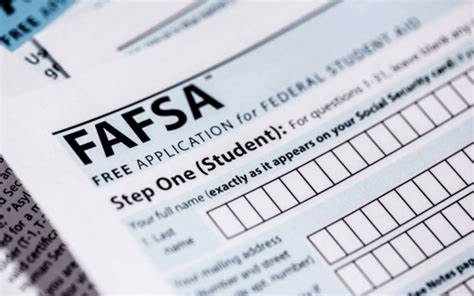
Since the drop of the new FASFA (Free Application for Federal Student Aid) at the end of last year, there have been massive outages and glitches, limiting student access nationwide.
The FASFA gives students a chance to receive government aid with college tuition, which can help set them up for the competitive job search in their future.
On December 27, 2020, the FASFA Simplification Act was passed as part of an appropriations bill and a few months later in June, the Education Department delayed the rollout of the new form until the 2024-2025 school year.
“We are putting all hands on deck and using every lever we have to make sure we can achieve the transformational potential of the Better FAFSA to make higher education possible for many more of our nation’s students,” U.S. Secretary of Education Miguel Cardona said in mid-February.
The update of the form simplified the original lengthy application, which was difficult to navigate for student applicants. It also changed the underlying formula for student aid, promising to expand availability for low-income students.
The update took months longer than expected being released two months late, and numerous bugs affected the rollout of the program. These issues have impeded students’ ability to receive or even apply for federal aid.
“You were supposed to get it done right the first time, and you were supposed to get it done right three months ago,” Republican Sen. Bill Cassidy of Louisiana said. “We need more accountability, more responsibility, more confidence from the Department of Education.”
Problems arose surrounding the new program roll out, and by late March, 40% fewer high schoolers had completed their FASFA compared with last years’ applicants, according to federal data.
In late March, the Education Department announced that hundreds of thousands of FASFAs include bad data, and hundreds of colleges reported they will not be able to process financial aid information in time.
“Every error adds up and will be felt acutely by every student who is counting on need-based financial aid to make their postsecondary dreams a reality,” Justin Draeger, president and CEO of the National Association of Student Financial Aid Administrators, said.
With the May 1 deadline to make college decisions, thousands of students still had not been guaranteed access to federal aid. Students have looked to other options, such as community college or joining the military.

After months of issues with the system, the Education Department announced on April 26 that Richard Cordray, head of the Federal Student Aid Office, will step down at the end of June after serving his three-year term which could have been renewed.
As the next college application season rolls around in August, applicants for the 2025-2026 school year hope to see an improved FASFA system and widespread access to higher education.

 THE BEAR FACTS