
By Ashley Paredes ‘25
Since 2019, the number of fatal crashes on U.S. highways have soared, especially in Texas. In a 2024 study, Forbes ranked Texas as number three for the worst drivers, behind New Mexico and Wyoming.
Texas, known for high speed limits and aggressive drivers, has seen an influx in drivers getting behind the wheel under the influence. The state has the second highest number of drunk drivers involved in fatal accidents, behind Montana.
The state considers speeding a non-arrestable offense, but speeding can fall under reckless driving. Reckless driving is a misdemeanor, which can result in a $200 fine and/or 30 days in jail. Reckless driving can entail fishtailing, driving 20 miles per hour over the speed limit, driving under the influence and running red lights and stop signs.
From 2013 to 2019, Texas averaged 3,614 fatal crashes on its highways yearly. Since the pandemic, that number has turned to a whopping 4,397.
Dallas alone is ranked as number 6 for cities with the worst drivers, with Fort Worth ranked number 9.
“There’s probably not a day that I that I drive that I don’t see … someone operating their motor vehicle in some egregious fashion,” former Dallas Chief of Police Eddie Garcia said to NBC 5.

Speeding violations, which are misdemeanors, typically have fines ranging from $130 to $300. This amount can increase if the driver was caught in a school or construction zone, or if the speeding caused an accident.
Texas uses prima facie speed limits, meaning drivers can exceed them legally if they can prove it is safe to do so (open roadway, speed of regular traffic, etc.).
Typically speed limits on Texas freeways is 70 miles per hour, but the Texas Transportation Commission may set it to 75, 80, or even 85 if it is deemed safe per the 85th percentile rule. This engineering principle helps determine the maximum speed at which 85 percent of people can drive on a certain road (exceptions can be curves, hidden driveways, and a history of accidents in a certain location).
“This is a sound engineering principle used to set speed limits on highways nationwide for the past 60 years,” the Texas Department of Transportation stated on its website.
The fastest speed limit in the United States is 85 miles per hour, found on a Texas State Highway 130 between Austin and San Antonio. This speed limit is maintained for a 41 mile stretch of the highway.
In 2023, Texas Governor Greb Abbott signed House Bill 393 into law, which says those convicted of intoxication manslaughter must pay restitution. Offenders are expected to pay child support until the child is 18 or graduates from high school.
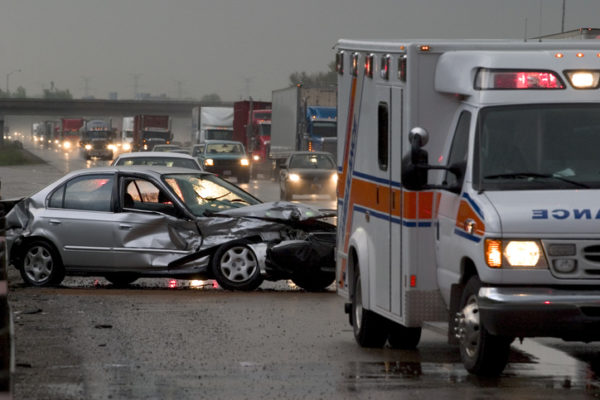
The bill defines intoxication manslaughter as when a person operating “a motor vehicle in a public place, operates an aircraft, a watercraft, or an amusement ride, or assembles a mobile amusement ride; and is intoxicated and by reason of that intoxication causes the death of another by accident or mistake.”
As of early October, Texas has the highest number of fatalities from accidents at 3,874 this year, surpassing California by around 30.
As the Texas Department of Transportation works to fix the speeding problem, many ask why is speeding not a more serious offense? Currently, Texas residents can not be jailed for speeding, driving with an open container or alcohol, or texting while driving—unless it qualifies as reckless driving.
Yearly thousands of Texans die on the state’s roadways and the number seems to keep increasing.
“We need more visibility. Speeds are way too fast,” Garcia said.
 THE BEAR FACTS