
By Lauren Zulick ‘25
California, a state known for its beautiful landscapes and diverse ecosystems, has long been plagued by wildfires. Every year, as the state experiences hot, dry weather, the threat of wildfires looms over communities, forests and even urban areas. In 2025, the situation has only gotten worse, with wildfires becoming more frequent, more intense and more destructive. The causes of these fires are complex and their effects are far-reaching, affecting everything from human health to the environment.
In January 2025, California found itself facing one of the most destructive wildfire seasons in recent history. Among the most significant fires were the Eaton, Palisades and Hughes fires. These fires have caused severe damage to thousands of acres of land, threatened homes and displaced countless people. Although firefighters have made impressive progress in containing these blazes, the danger is far from over. The aftermath of these fires brings new threats like flooding and mudslides, while the recovery process for affected communities is expected to take years.
The Eaton Fire ignited in early January 2025 in Southern California, quickly becoming one of the state’s most intense fires. Its rapid spread was fueled by dry conditions and intense winds, which are common during California’s winter months. The fire burned through thousands of acres, coming dangerously close to residential neighborhoods, particularly in the urban areas surrounding Los Angeles. Authorities issued evacuation orders for thousands of residents as the fire moved quickly and unpredictably.
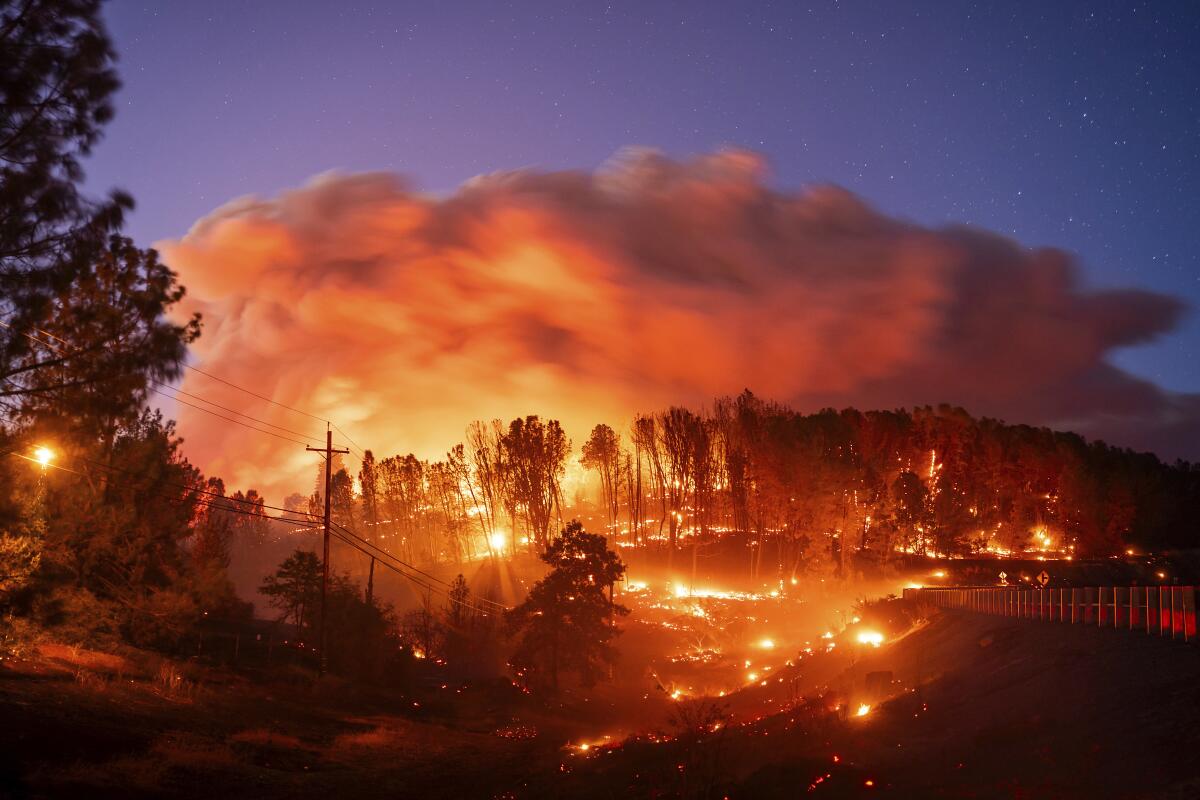
One of the main challenges with the Eaton Fire was its proximity to suburban communities. These areas, which are often located at the edge of forests or other natural landscapes, are known as the “wildland-urban interface.” In these zones, wildfires can easily spread from the wildlands into developed areas, putting homes and businesses at risk. The Eaton Fire forced many residents to evacuate, and while some homes were spared, others were completely destroyed by the flames. The damage to property, businesses and infrastructure was significant, with the cost of recovery expected to reach billions of dollars.
Another issue that arose as the Eaton Fire grew was its impact on local infrastructure. Power lines were damaged or destroyed by the flames, leaving entire neighborhoods without electricity for extended periods. With temperatures soaring and no power, many residents were left struggling to stay cool and safe. In addition to the power outages, the fire also threatened critical infrastructure such as water supplies and communication systems, which are essential for both firefighting efforts and post-fire recovery.
While the fire is nearing full containment, the aftermath remains a critical concern. The areas that were burned are now highly vulnerable to flooding, especially given recent rainstorms in Southern California. Without the protective cover of vegetation, the soil is much more likely to erode, and with heavy rainfall, it could result in dangerous mudslides. This is why authorities are urging residents to remain on alert even after the fire is under control, as the risk of further disasters is still present.
The Palisades Fire, which started in mid-January 2025, posed a diverse set of challenges. Located in the Santa Monica Mountains, this fire threatened both popular tourist areas and local residential neighborhoods. The fire grew quickly, driven by high winds and the dry conditions that are common in Southern California during the winter months. The fire’s proximity to both the coastline and major roads made it particularly difficult to contain.
One of the reasons the Palisades Fire was so concerning was its impact on the environment. The Santa Monica Mountains are home to diverse ecosystems and endangered species, and the fire had the potential to devastate these habitats. Conservationists feared that the destruction of the area’s natural resources could have long-term effects on local wildlife and plant species. Residents who live near the mountains were forced to evacuate, fearing the fire would destroy their homes. While some homes were spared, many others were lost to the flames.
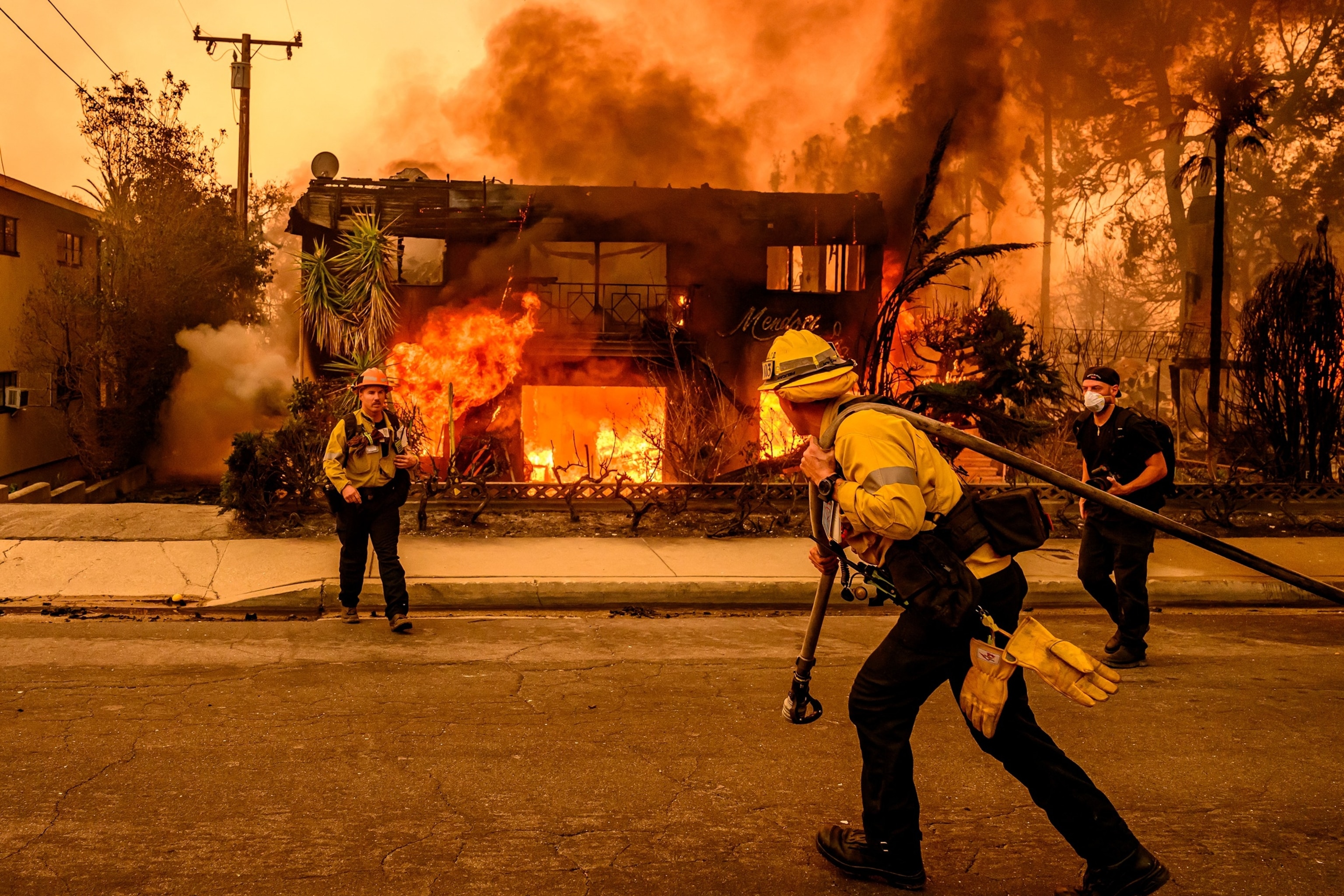
Firefighters faced additional difficulties due to the mountainous terrain, which made it difficult to get equipment and personnel to the hardest-hit areas. Aerial firefighting teams, including helicopters and planes dropping water and fire retardant, were crucial in slowing the fire’s progress. However, it was clear that the fire’s full containment would take time. The rugged landscape and changing wind conditions made it impossible to predict where the fire would go next, forcing officials to stay alert and ready to act at a moment’s notice.
Though the Palisades Fire is now largely contained, the region faces long-term challenges. Beyond rebuilding homes, there is a need to restore the natural environment. The area’s ecosystems are critical not just for wildlife but for water management and air quality. Environmental organizations are already calling for restoration efforts to help replant trees and other vegetation in the burned areas to prevent soil erosion and help the ecosystem recover.
The Hughes Fire, which ignited in Central California, presented a separate set of challenges compared to the Eaton and Palisades Fires. While it did not directly threaten urban areas, the fire still caused widespread damage. Burning in the dry grasslands and forests of Central California, the Hughes Fire quickly expanded, consuming thousands of acres of land. The fire’s unpredictability made it particularly difficult for firefighters to contain, and it quickly became one of the most dangerous fires of the season.
One of the primary concerns with the Hughes Fire was its impact on agriculture. Central California is one of the most important agricultural regions in the state, and the fire posed a direct threat to farms, ranches and other agricultural operations. Many crops were destroyed by the flames, and livestock were also impacted. For farmers and ranchers, the fire brought financial hardship as they lost both crops and equipment. In addition, the smoke from the fire spread across the region, reducing air quality and causing health issues for people who live nearby.
As the Eaton, Palisades and Hughes Fires near full containment, California faces new challenges in the form of flooding and mudslides. Burned landscapes are highly vulnerable to these risks, particularly when heavy rains hit. With the ground stripped of vegetation, the soil is less stable, leading to dangerous conditions that could affect both residents and emergency responders.
The Eaton, Palisades and Hughes Fires of 2025 have left a lasting mark on California. These wildfires have destroyed thousands of acres, displaced people and caused severe damage to homes, infrastructure and the environment. While containment efforts have made progress, the risks of flooding, mudslides and long-term recovery challenges remain. California must address the root causes of these fires, such as climate change, and act to better prepare for future wildfire seasons. The state’s recovery will depend on both short-term efforts to provide immediate aid and long-term planning to prevent similar disasters in the future.
 THE BEAR FACTS