
By: Natalia Siewczynski ’28
Machu Picchu is known for its gorgeous views and extraordinary history, as it’s named one of the seven wonders of the world. Along side all these amazing traits, glamour does not apply to this beautiful home created by the Incas.
In today’s world, it’s hard to grasp true experiences online with social media platforms’ constant need to romanticize. Our society’s addiction to perfection has completely discarded the beauty of discomfort and how it truly enhances different experiences. As filters and photoshop create the “perfect image,” the true beauty of adventure is left behind.
In 1911, American archeologist Hiram Bingham was on a mission of discovery hoping to find Vilcabamba, known to be the last Inca stronghold to fall to the Spanish. While on the journey, Bingham and his small team of explorers relied on the community of locals to hopefully give some information on the location of Vilcabamba.

Finally, a local farmer told them about some ruins located at the top of a nearby mountain. He named the mountain Machu Picchu, which translates to “old peak” in the native Quechua language.
After a rigorous climb through rain and cold, Bingham met a small group of peasants who showed him the rest of the way. Led by an 11-year-old boy, Bingham’s eyes eventually met with the beautiful stone ruins created by the Incas. After days of dedicated climbing, Bingham felt a sense of indescribable accomplishment, experienced by many modern explorers today like me.
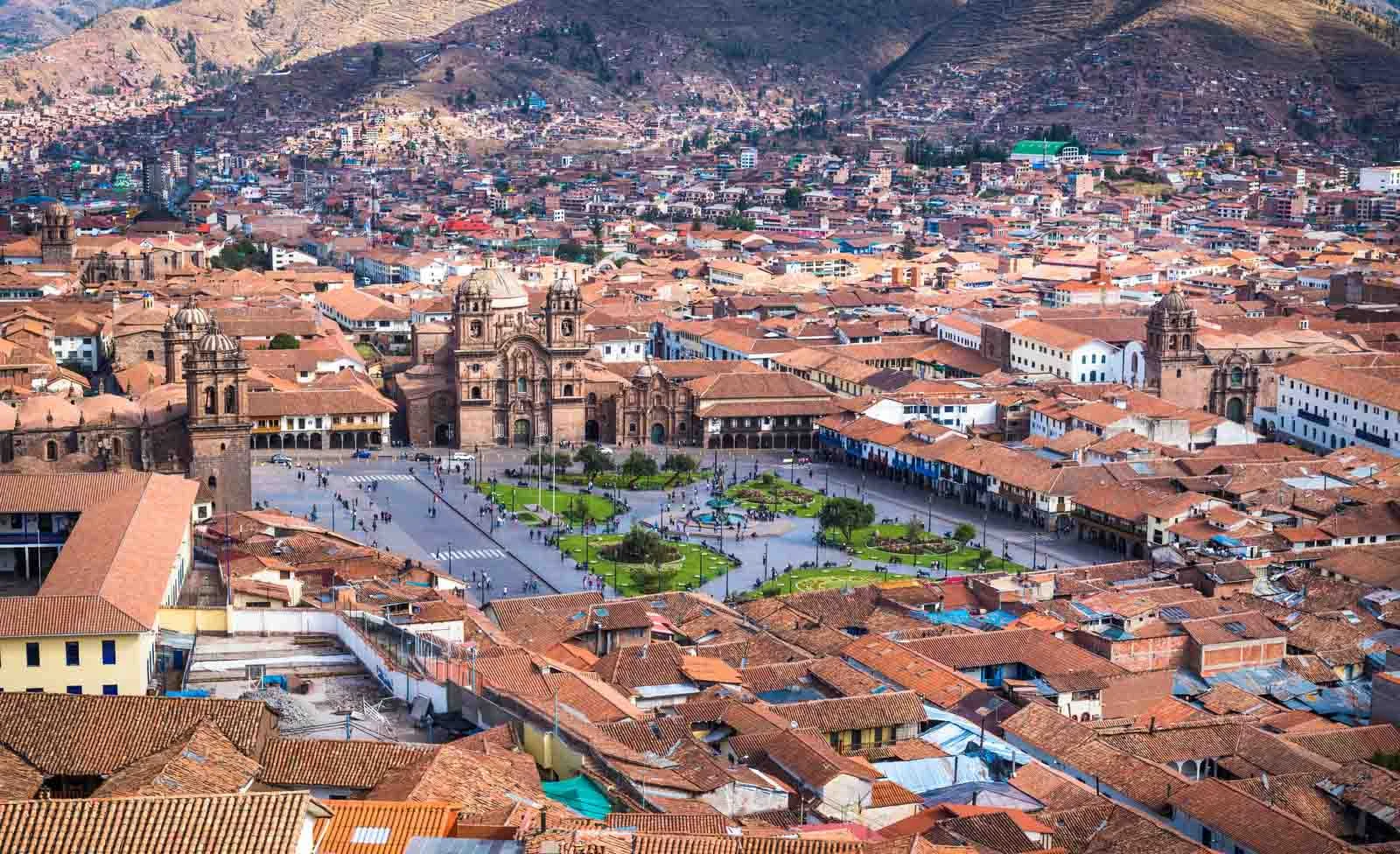
This year, I was given the opportunity to travel to Peru for spring break. As every other typical tourist family does, we booked the trip to Machu Picchu. At the time, I was completely unaware of the effect this one journey would have on me.
Our trip to Machu Picchu started at 6 a.m. We had arrived in Cuzco, Peru two days earlier, and I was facing severe affects from altitude sickness. I was put on an oxygen ventilator and given gravel to lower any symptoms.
After the early wake up call, my family and I went on an hour and a half car drive to the train station. As the drive continued, the journey got bumpier. The roads are constructed with large stones that are cemented together, creating a ruthless environment above the tries. I began to feel nauseous and questioned was this view even worth it?
After the car ride, we arrived at the train station. We were greeted by other tourists and small cafes leading to the station. Getting onto the train was surprisingly efficient. We walked to an area on the sides of the tracks where the train quickly arrived. We were led to a cart, where we would spend the next two and a half hours.
Although it was a long journey, the views were indescribable. Cuzco is higher than Machu Picchu, so the train ride began with downward. We began to ride through gorgeous green fields filled with beautiful green tree valleys. After about an hour, the train proceeded upwards where we began to see mountains.
On the mountains, there were lines that spanned across in a stair like format called Andenes. The Incas dug out this area to grow potatoes, which was their most important food source.
After the train ride, we had a 20-minute bus ride with other tourists to finally reach Machu Picchu! The bus ride started tame with minor bumps, but as we went higher, the ride became rough. The roads got thinner, and other buses shared the path with us. I began to look out the window and was completely stunned to see a dam at least 200 feet below us!
Finally, the bus ride was over. We had reached Machu Picchu! Our tour guide began to lead us up the stairs.
I tiredly climbed thinking no scene could ever be worth this, but then I looked up. All my skeptical remarks disappeared, and my eyes were completely stunned. Just as Bingham, a sense of accomplishment and relief filled my body as I saw the beautiful stone architecture.
The trip to Machu Picchu was not first-class comfortability or picture-perfect adventure, but it was raw and real. Our society must remember to appreciate the dedication and hard work that is necessary to create the beauty of adventure.
 THE BEAR FACTS